My interests
The questions I keep coming back to. They sit where design, the senses and the brain meet, and they shape how I practise and teach. A few I have started to answer; most I am still working on.
- Neuroadaptive designSpaces and tools that respond to the person using them, so that what we learn about attention, stress and comfort can shape a design as it is used, not only before it is built.
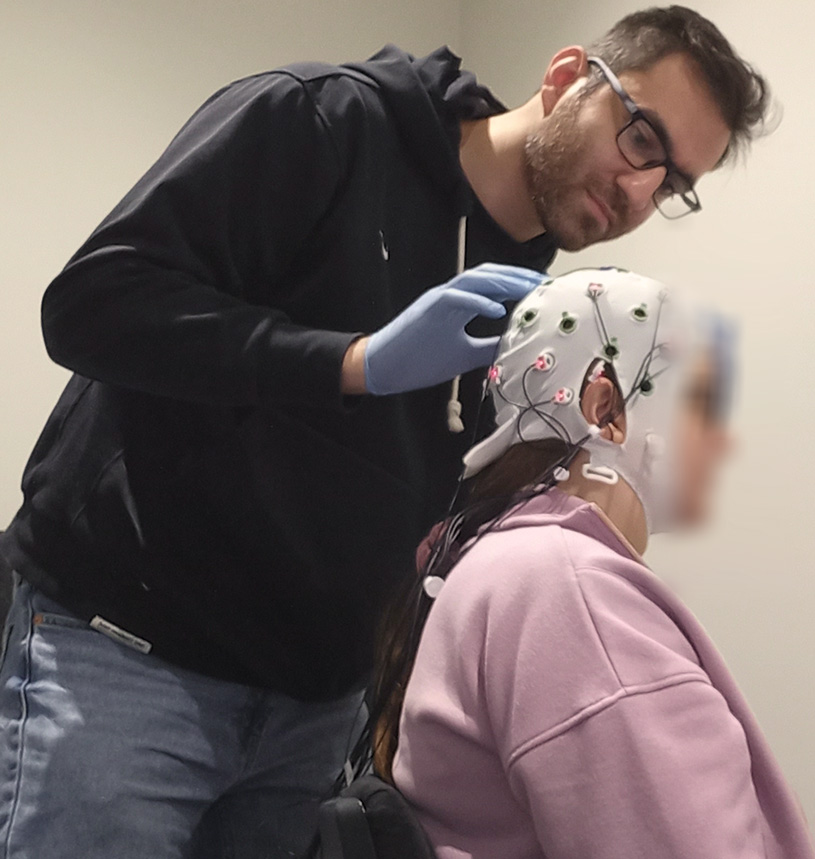
- Neuroscience and the built environmentHow measures such as EEG can show what streets, rooms and buildings do to the way we feel and think, so evidence, not only taste, can guide design.
- Sensory and experiential designLight, material, sound, warmth and movement. How a place feels to be in, and how we can test that early, before anything is built.
- WalkabilityWhat makes a place pleasant, safe and interesting to walk in, and why that matters for health, for the climate and for people without a car.
- Assemblage theory and design thinkingDesign does not happen only in the head. People, tools, rooms and ideas come together and act as one, and assemblage theory helps explain how designing really unfolds.
- Design thinking and pedagogyHow design is taught and learned, and how studios, critique and digital tools can help students think with their surroundings and with each other.
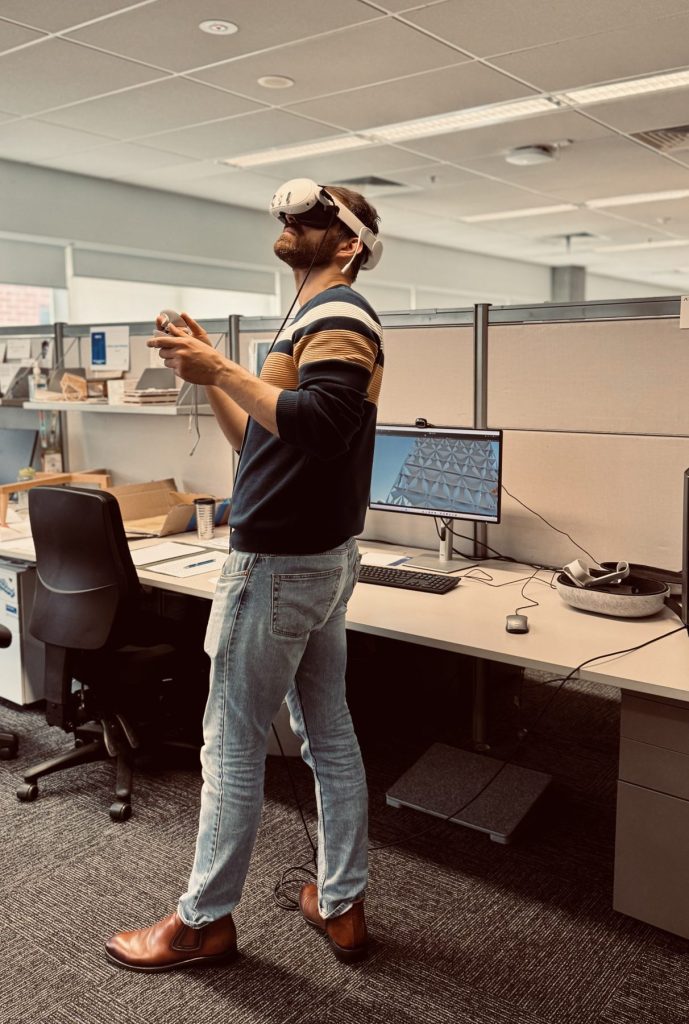
- Virtual reality and digital technologies in designUsing immersive and digital tools to let designers, residents and students see a proposal early, and to make design more open and shared.
- Adaptive reuseGiving existing buildings and places a new life, and understanding what people value in them, so that what we keep is as considered as what we add.
In the lab